Why Personalised Social Media Content Wins

As you may already know, social media has become an essential part of many small business’ marketing strategy. With around 4.76 billion people around the world now using social media , it’s certainly not something that should be overlooked. However, the social media space is becoming more and more saturated with businesses marketing their product or service. Therefore, it’s not enough anymore to just create a social media account and post random content. So, how can you cut through the noise? To truly stand out and engage your audience, it’s essential to create personalised social media marketing content. In this post, we’re exploring the importance of personalised content and how to create it effectively. 

Understanding Personalised Social Media Marketing Content

Personalised social media marketing content is tailored to a specific audience or individual, taking into account their preferences, interests, and behaviours. For example, if you know most of you target audience own a dog, you can then create content which appeals to dog owners! By creating personalised content, you can build a stronger relationship with your audience, increase engagement and build brand awareness. 

The Benefits of Personalised Content 

Personalised social media marketing content has numerous benefits. Firstly, it helps you to stand out from the crowd as it helps to differentiate your content. Secondly, it can increase engagement and reach, as your target audience are more likely to engage with content that is relevant to their interests. Thirdly, it can help build customer loyalty and brand awareness. Finally, it can help with your sales as personalised content can help promote specific products or services to individuals who are more likely to purchase them. 

How to Create Personalised Social Media Content 

When it comes to personalised marketing content, understanding your target audience is key. This is where marketing research comes in. You can conduct market research and analyse your audience’s demographics, interests, and behaviours. This doesn’t have to be a complex process; it could be as simple as using social media analytics tools or through online polls. These are both great ways to get the information you need to begin personalising your content. Once you have a good understanding of your audience, you can create content that speaks to them.  

Best Practices for Personalised Social Media Content 

When creating personalised social media marketing content, there are a few best practices to keep in mind. Firstly, make sure your content is relevant to your audience’s interests and preferences. Secondly, use a conversational tone to engage with your audience and build a relationship. Try not to make your captions too corporate, after all it’s called ‘social’ media! Thirdly, one of the most important points to remember is to track your results. Be sure to give your content the time to work. Try not to change things immediately if a post didn’t perform as well as you’d hoped. You can then start to build up a picture of what’s working and what’s not and adjust your content strategy accordingly. 

Overall, when used correctly, personalised social media marketing content is a great way to stand out from your competitors. If you’re not already personalising your content, we’d recommend using these tips to get started right away! 

About us

We’re Freshbat – a strategic communications agency providing integrated marketing services to business leaders who embrace change and value marketing in a proactive and trustworthy environment.

Our goal is to give you more headspace, help you to make stuff happen and build better relationships by taking a fresh approach to marketing. We know you’re the kind of person who wants to be considered an inspiring and empowering leader for your business.

In order to be that way, you need to be in control of your marketing. The problem is you feel your marketing isn’t good enough, which in turn makes you feel confused and frustrated that you don’t have the resources, creativity or expertise to solve the issue.

We believe it’s just plain wrong that business leaders are tasked with keeping up with the rapidly changing marketing landscape on their own. That’s why we provide integrated marketing solutions through our worry-free marketing process.

Here’s how it works: we have an initial call to find out the things holding you back, we then create a bespoke strategy to reach your ideal clients and finally we implement your marketing plan for you so you can worry less and achieve more. We create tailored and integrated marketing solutions that bring order, strategy and results while having fun in the process (yes, it’s possible!).

Our core services include:  Content marketing strategy  Social media management  Email marketing  Blogging and web content

Contact us to see how we can help you take a fresh approach to marketing. Email hello@freshbat.com to book your discovery call 

Content Marketing 101: Why is my content not performing well?

Grasping content marketing can be quite hard, especially when you are not sure how to improve your content performance. Content creation can be a powerful way to further your business and marketing objectives while engaging with your audience.

However, it can be really frustrating when your content isn’t performing as well as you had hoped. A lot of the time, people wonder “What went wrong?“, “Why is my content not working?”, “How can I engage with more people?“.

There are obviously several factors influencing the answers and that’s why it is always good to ask an expert.

As marketers for several businesses, we have often come across the same missteps. Common mistakes in content creation and content marketing can be summarised in 5 Ps: “Proper Planning Prevents Poor Performance”.


But what does it mean to plan “properly”?

  1. Do research!

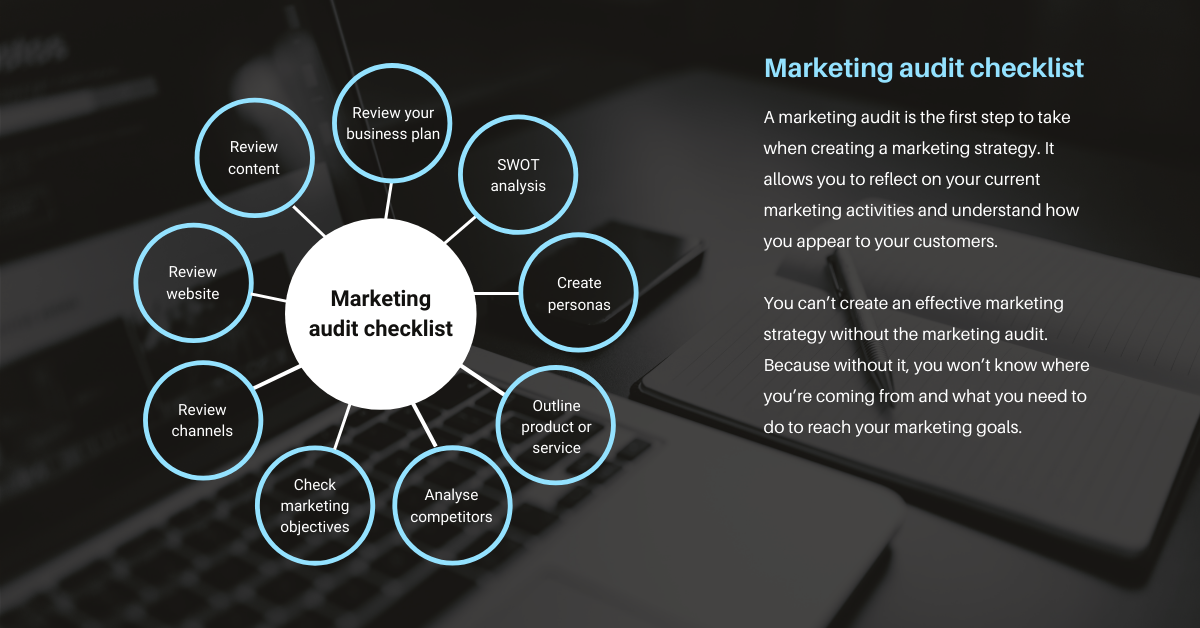
A marketing audit is always a good idea to start planning. What are your competitors publishing on social media, on their website, and in their newsletters? Social media can give you an idea of the most engaging posts and their relative messages and you can often get really good insights for free based on what’s working and what isn’t for your competitors too. Also, you can great ideas for future content by just looking at a calendar and seeing if any topics link with your services/products or your audience. 

  1. Know your audience

As part of your marketing plan, you should also know your target audience (i.e. your clients or customers). Think about what communication channels work best to engage with them, what type of content would they find more interesting, what call to action (CTA) would work best in your messages, and what time should you send it. Poor performance is often associated with unclear messaging, unenticing CTAs, and irrelevant content.

  1. Think about more than one communication channel

Social media is not the only way to share content! Emails, SEO-friendly blog articles on your website, and even direct mail. There are so many ways you can try reaching your target audience. Though with limited resources, it is better to focus your efforts only on the best-performing communication channels.

  1. Plan in advance

Do not leave your content planning and scheduling to the last minute. This usually makes it harder to create great content, as it is created in a hurry or under a lot of stress. While it is good to leave some space for flexibility and last-minute news, preparing your content weeks in advance gives you more time to proofread it and optimise it for each communication platform. Users are usually not fans of typos as it makes any content look unprofessional.

  1. Check the right metrics

Website analytics, trackable links, social media conversion rates, email readership, email bouncing rates, and many more. Metrics can offer amazing insights into what is working and what isn’t, why, and what to change. And if you need a marketing eye, we’re always here to help.


Finally, for your content marketing campaigns to succeed, do not forget what your audience loves to engage with. Remember, retaining a client is easier and cheaper than finding a new one.

If you enjoyed this post and want more juicy marketing tips, here are some more resources for you:

Or if you’re ready to take a fresh approach to finding and retaining clients in your business, book a discovery call to find out more.

How much should a small business spend on marketing?

In this blog post, I’m going to look at the million-dollar question – how much should a small business spend on marketing?

As you might expect, there are lots of different answers to this question and there isn’t a one-size-fits-all approach.

The good news is that there are some key questions you can answer right now to work out how what marketing budget is right for your small business.

Average marketing cost for small business in the UK

Let’s start by understanding a bit about how much small businesses in the UK spend on marketing activities. According to YouGov, the average marketing cost for small businesses in 2019 was 9.3% of total revenue.

How to set a marketing budget for your small business?

If you’ve never had a dedicated marketing budget before, allocating around 10-20% of your annual revenue to marketing spend is a sensible starting point. You can keep the budget closer to 10% if you’re happy with steady growth or aim closer to 20% if you have ambitious growth plans.

Another way to look at how much you should be spending on your marketing is to review what you’ve already spent. Do you already have a budget allocated for marketing activities? If so, how much is that and what percentage of your annual revenue is it? You can then decide if you need to allocate more or less budget to marketing depending on your business goals.

Marketing budget allocation best practices

If you already have a marketing budget or have been spending money on marketing activities, you should look at spend by channel and work out the return on investment from each.

For digital channels, you can look at different metrics such as click-through rates, followers, likes, engagement and website visitors. ROI for traditional channels is more difficult to measure but consider asking your customers how they found out about you to give you an indication of how effective these marketing activities are.

Make sure you diversify your marketing budget across a number of areas so you’re not completely reliant on one or two activities. This will help you implement both long-term and short-term marketing strategies to ensure you always have a good sales pipeline and aren’t scrambling for sales.

If you spot something that isn’t working, stop spending precious marketing budget on it. I see a lot of small businesses continuing to do something because they think they should or because it’s what they’ve always done. To stay competitive, you’ll need to make sure you’re maximising your marketing spend to get in front of your ideal customers rather than wasting money on ineffective activities.

When it comes to allocating your marketing budget, don’t be afraid to experiment. Consider allocating 10% of your marketing budget to something new that you’ve never tried before. Identify how you’re going to measure whether this activity is successful and then stick with it for at least 6-12 months. Don’t expect instant results from new marketing activity but give it chance and after a year you’ll have a good idea of how effective it is for your business.

Marketing spend categories and marketing budget breakdown

A lot of different things can fall under the catch-all of marketing activity, but these are the main ones to consider for your small business:

  • Website
  • Advertising
  • Design
  • Market research
  • Agencies/freelancers e.g. for social media management
  • PR and outreach
  • Brand development
  • Asset production e.g. videos, photography
  • Print e.g. business cards, flyers
  • Sponsorships
  • Marketing consultancy
  • Promo e.g. gifts for customers, giveaways
  • Events e.g. trade shows, exhibitions
  • Travel expenses
  • Marketing training
  • Marketing tools e.g. CRM system, automation tools, analytics

Not all businesses need all of these categories. As always, it depends on who your ideal customer is and which marketing channels are best to reach them.

How much to spend on advertising for a small business?

Advertising tends to be one of the biggest marketing costs and needs to be managed carefully. The sky’s the limit when it comes to how much you can spend on advertising so it’s important to make sure the advertising channels you use have good ROI.

Traditional advertising tends to be very expensive and hard to track, whereas digital advertising can be much more cost-effective. It also gives you the ability to target specific demographics, criteria or keywords to help you get in front of your audience at a lower cost than traditional advertising.

I’d recommend setting aside anywhere from 50-75% of your total marketing budget for advertising and spending the majority of this on digital advertising rather than traditional.

Digital marketing budget allocation

In addition to budgeting for advertising, it’s vital to think about the money you’re going to allocate to your digital marketing. This includes things like website design and maintenance, creation of digital assets such as templates for social media and infographics or managing digital content such as social media channels and blogs. It’s worth investing in your digital assets consistently as your small business relies on these to represent your brand online to both prospective and existing customers.

If you need help with your marketing budget or marketing strategy, arrange a free 30-minute discovery call with me today.